


Yes, backlinks still help Google discover pages and assess them through PageRank.[1][2]
- Earn links from pages that have a clear reason to reference yours.[4]
- Qualify paid advertising links with
nofolloworsponsored.[5] - Check AI citations separately: Google’s supporting links vary between answers.[6]
Start with the page you want others to reference. Check that Google can access it and that it gives a relevant publisher something useful to cite.
Yes, backlinks are still important in 2026 because Google uses links to find pages and PageRank remains part of its ranking systems.[1][2] Links work alongside strong content.[3] I’d focus on relevant editorial links.[4] Track AI mentions and citations as separate outcomes.
Are backlinks still important according to Google?
Yes, Google still uses links for discovery and PageRank, which forms part of its ranking systems.[1][2] Links have a role, but Google also uses other signals.[1]
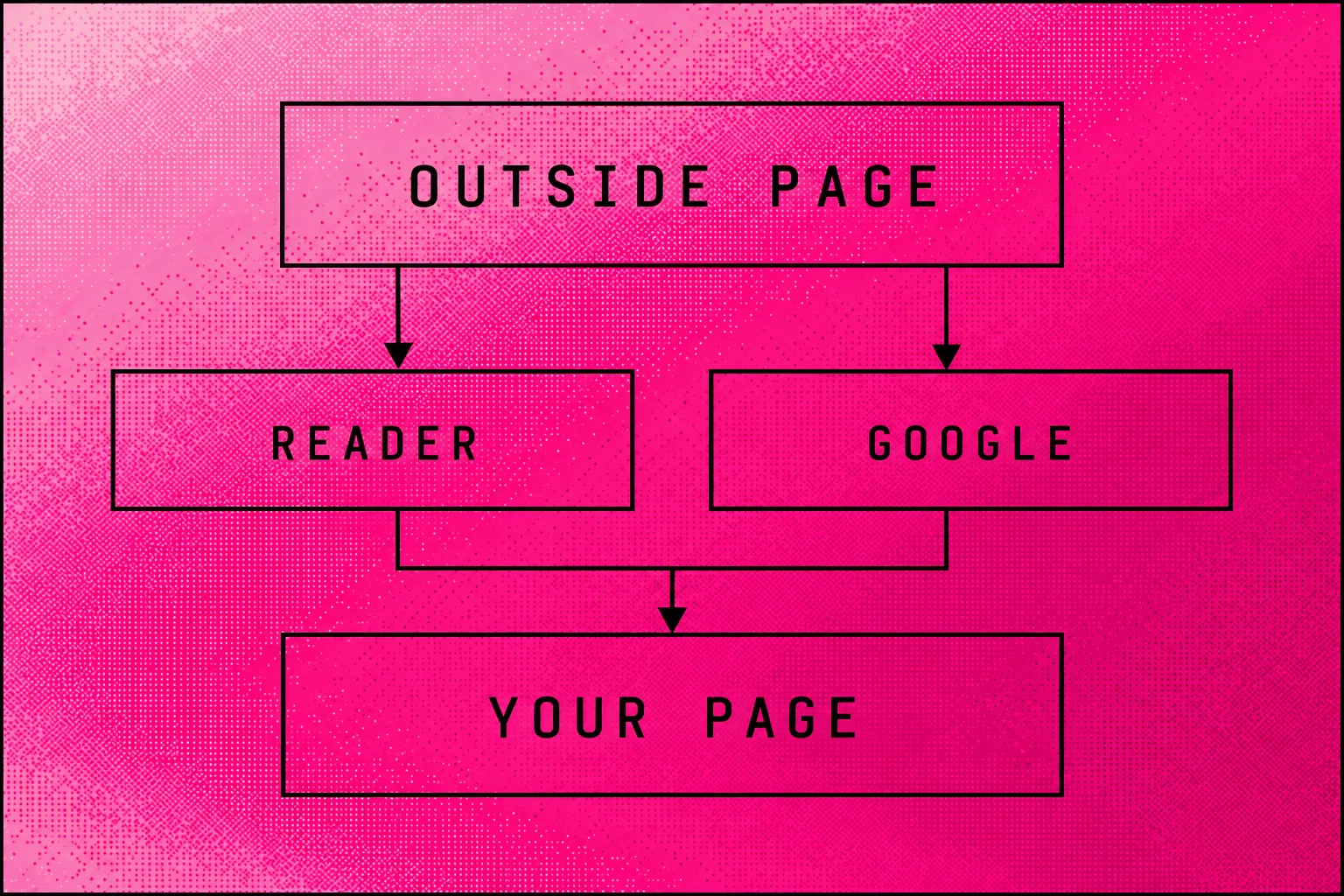
Google’s SEO Starter Guide explains that it finds pages through links from pages it has already crawled.[2] Those links often come from other websites.[2] A relevant link can give Google a route to a new resource, while its wording describes the destination.[2][7]
The same guide names PageRank as a fundamental algorithm that uses links.[1] It also says there’s much more to Google Search than links.[1] I wouldn’t turn that into a fixed percentage of your SEO budget.
My starting point is the page itself. I check that it answers the search and that Google can access it. Then I ask whether another publisher has a reason to send readers there.
Google recommends original, readable content and accessible pages.[3][8] I’d address those foundations before commissioning a campaign around an unfinished destination. Our SEO service covers the page work alongside external sources.
What are backlinks and why are they important for SEO?
A backlink is a link from another website to yours.[9] It can bring visitors and help Google discover your page.[10][2] Links work alongside other ranking signals; a backlink alone doesn’t assure a ranking.[1]
Imagine a roofing supplier linking to a roofer’s guide on choosing roofing materials. The supplier’s link would be a backlink for the roofer.[9] A link from that guide to the roofer’s repair service would be an internal link.[9]
| Reference | What it does |
|---|---|
| Backlink | Another website links to your page. |
| Internal link | Your website links between its own pages. |
| Unlinked mention | Another page names your business without linking. |
| AI citation | An AI answer links to a supporting website. |
For a local business, I’d assess each reference by its connection to the service and the people who might follow it. A roofing trade article deserves a different review from an unrelated directory.
Our local SEO work brings local pages, business records and reviews into the same plan. Keep a business listing and an AI citation in separate records.
What makes a backlink worth earning?
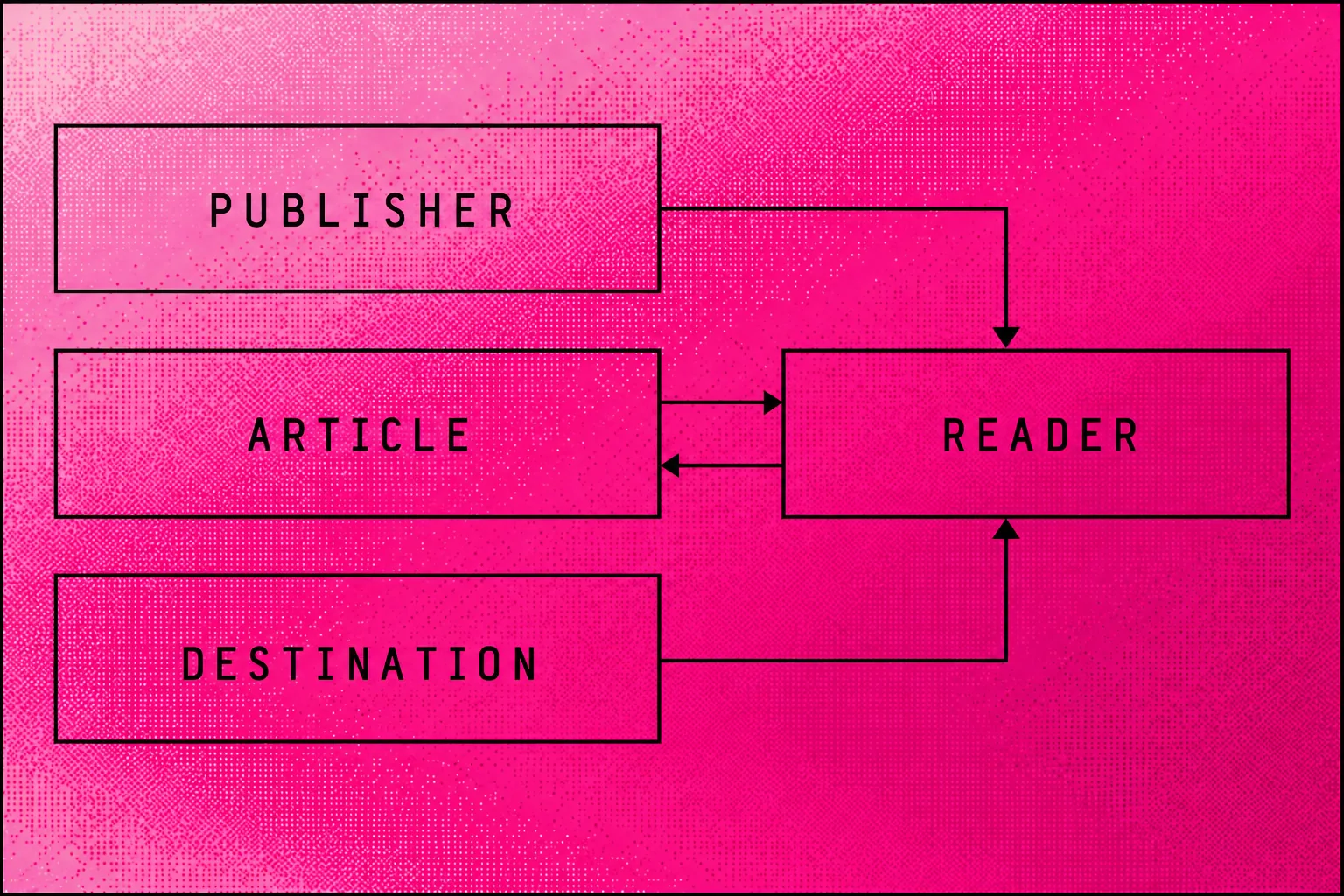
I’d prioritise a backlink when the publisher has a clear reason to send readers to that specific page.[4] At Searchmaxxed, we apply that test within the Off-Page Source Layer.
A relevant editorial link exists because the publisher chose to reference a source, support a point or help its readers.[4] The destination needs to earn that choice.
I’d check these details before pursuing a placement:
| Check | Question to ask |
|---|---|
| Publisher | Does this site cover your subject or serve your audience? |
| Page | Does the surrounding article explain why your resource belongs? |
| Editorial choice | Would the publisher include the reference for its readers? |
| Destination | Does your linked page deliver what the article promises? |
| Link wording | Does the text describe the page without forcing a sales phrase? |
| Reader value | Would a relevant visitor have a reason to follow the link? |
Anchor text, the visible words of a link, helps readers and Google understand the destination.[7]
A trade body or specialist publication can provide a credible reference; a national newspaper isn’t the only source worth considering.[4] I’d choose the source for the subject first.
Domain authority scores can help compare prospects, but they come from SEO tools rather than Google’s own scoring system.[12] Ask why the page belongs in your plan before asking about its score.
Our Off-Page Source Layer connects links with reviews, business records, press and mentions. Our content strategy work develops the pages those publishers have a reason to reference.
Which backlinks can hurt your site?
Links created mainly to manipulate rankings can breach Google’s link spam policy.[13] Google says policy violations can lead to lower rankings, exclusion from results or a manual action.[14]
Its examples include:
- Buying or selling links for ranking purposes.[13]
- Excessive exchanges or pages created only for cross-linking.[13]
- Automated services that create links to your site.[13]
- Low-quality directory and bookmark links.[15]
- Widely distributed links in website footers or templates.[15]
- Optimised links in forum comments or signatures.[15]
- Paid articles that pass ranking credit, and optimised anchors in distributed guest posts or press releases.[13]
The paid-link distinction deserves care. Google allows advertising and sponsorship links when the publisher qualifies them with rel="nofollow" or rel="sponsored".[5]
Paying for a sponsorship can make sense when you want to reach that publication’s readers. Selling the link as purchased ranking credit conflicts with Google’s stated policy.[13][5]
A guest article also needs an editorial reason to exist. Expert contributions can earn references, while Google’s spam examples include manipulative links in distributed guest posts.[16][13]
I’d ask an agency to show the source page, destination, link wording and any payment arrangement. A report containing only domain scores leaves those questions open.
I’d also investigate how an unwanted link appeared before treating its existence as proof that your business joined a scheme.
Our link-building work sits within a wider source plan. Evaluate the actual placement, even when someone else handles the outreach.
What changed with AI answers, mentions and citations?
Google’s AI Overviews and AI Mode add another outcome to check: whether an answer links to your page as a supporting source.[6] A backlink pointing to your website and a citation inside an AI answer establish different things.
Google says its AI features may use query fan-out.[6] That means running related searches across subtopics and data sources to develop an answer.[6] The response and supporting links can vary.[6]
A page must be indexed and eligible for a Search snippet to qualify as a supporting link.[17] Google specifies no extra technical requirement.[17] Eligibility gives you a chance to appear; it promises no particular citation.[17]
Google also says the same SEO fundamentals remain worthwhile for these features.[8] Crawl access, internal links and readable text still matter.[8] I’d keep improving the destination alongside its external references.
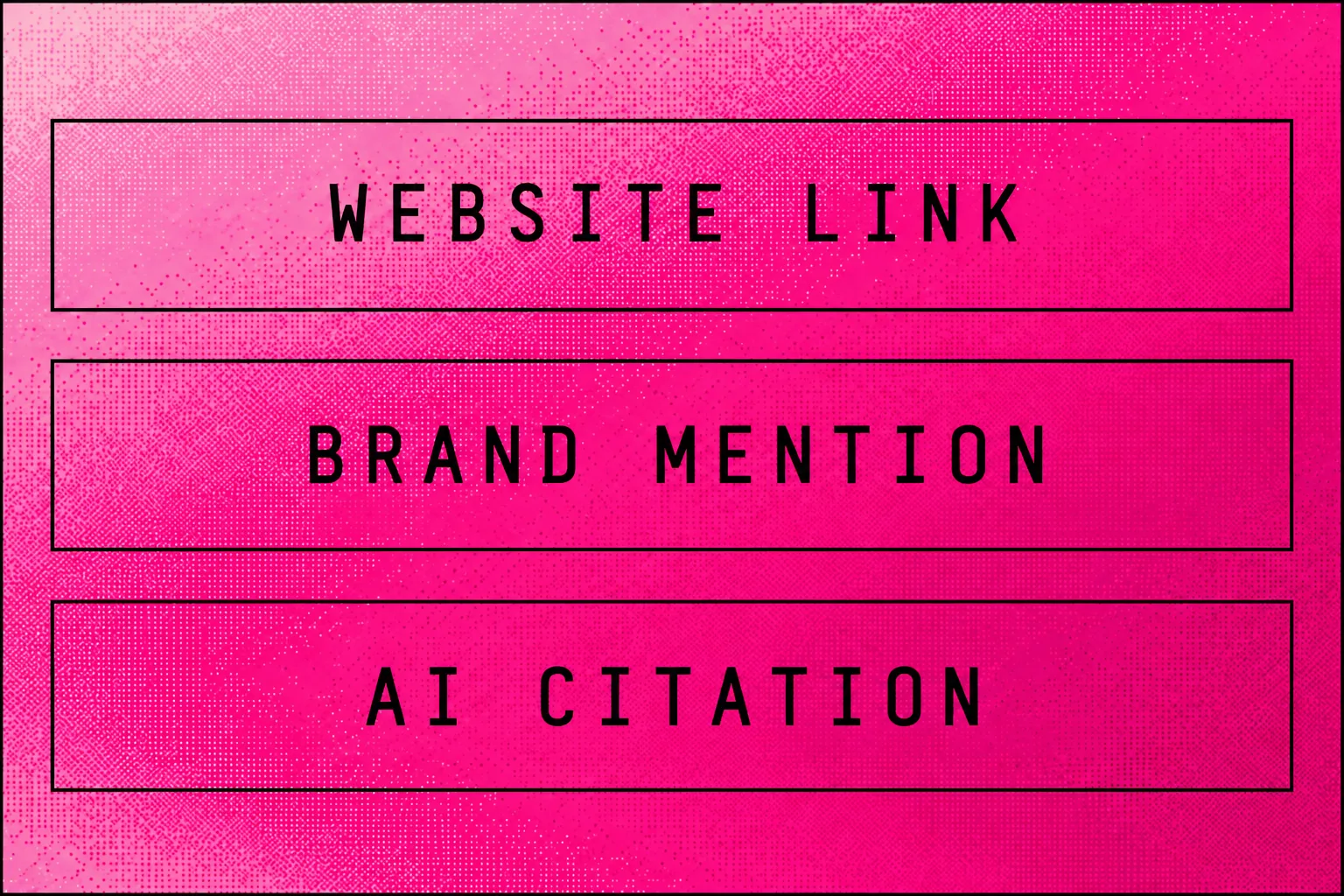
I’d keep three observations apart:
| Observation | What you have established |
|---|---|
| Another website links to you | A backlink exists. |
| An answer names your business | A brand mention appears in that answer. |
| An answer links to your page | That answer supplies a citation to your page. |
At Searchmaxxed, we record whether a source is live, whether an engine fetched it and whether an answer cited it. We also record mentions separately. A live backlink alone doesn’t prove the later steps happened.
Google’s documentation covers its own AI features.[6] For ChatGPT, I’d inspect the answer and its links directly before treating any backlink as evidence of a citation.
We check how AI answers name your business through our AEO service. Our GEO service develops pages and external sources for AI search. The AI SEO explainer connects that work with the website.
How do you build backlinks without paying for placements?
Build backlinks by publishing a credible resource and sharing it with people who have a reason to reference it.[16] I’d follow four steps, starting with a page that answers its audience’s question and works for visitors.
Choose a page worth referencing
Original research, practical tools and expert commentary can give another publisher material to reference.[16] Pick something your business can contribute from real knowledge.
For example, a roofing business could explain how to compare material options, using its own permitted job photos and manufacturer evidence.
Find the matching publishers
Read publications that cover the subject. Check what they already reference and whether your page supplies something relevant.
I’d favour a specific article with a clear gap over a bulk list of websites accepting any submission. Relevance and editorial purpose belong in the selection.[4]
Offer a specific contribution
Send the exact resource and explain the point it supports. If you have subject expertise, offer a comment that answers the publication’s actual question.
Specialist commentary, interviews and contributed insights can earn links.[16] The publisher decides whether the contribution belongs.
Recheck the published reference
Open the source page after publication. Check its wording, destination and any paid-link qualification. Record what exists before judging its effects.
Before outreach, I’d also check that Google can access the destination and that related pages link to it. Google retains those foundations for AI Search.[8] Our technical SEO work addresses access and website faults alongside content work.
“Without paying for placements” still leaves research, writing and outreach to do.[16] Choose a resource you can maintain after publication.
How do you tell whether backlinks are helping?
Check whether the linked page gains relevant search visits, referral traffic or enquiries. Keep each backlink's source, destination and publication date beside those results.
A record I’d keep for a hypothetical Gold Coast roofing guide looks like this:
| Field | What to record |
|---|---|
| Source | Exact publisher page and date you checked it. |
| Reference | Link, unlinked mention or both. |
| Destination | The roofing guide the reference points to. |
| Wording | The surrounding text and clickable words. |
| Link treatment | Whether the publisher added nofollow or sponsored. |
| Search | Changes in the guide’s relevant queries and landing visits. |
| Customers | Enquiries from the guide or identifiable referral visits. |
| AI answer | Exact question, date, business mention and linked source. |
Compare equal periods and note other work you released. Google says some changes create no noticeable search effect, and timing varies.[18] A link appearing before growth is insufficient evidence that it caused the growth.
Google includes AI Overviews and AI Mode traffic within Search Console’s Web performance reporting.[19] I’d retain the actual answer alongside that reporting when assessing an AI mention or citation.
Where does Searchmaxxed fit?
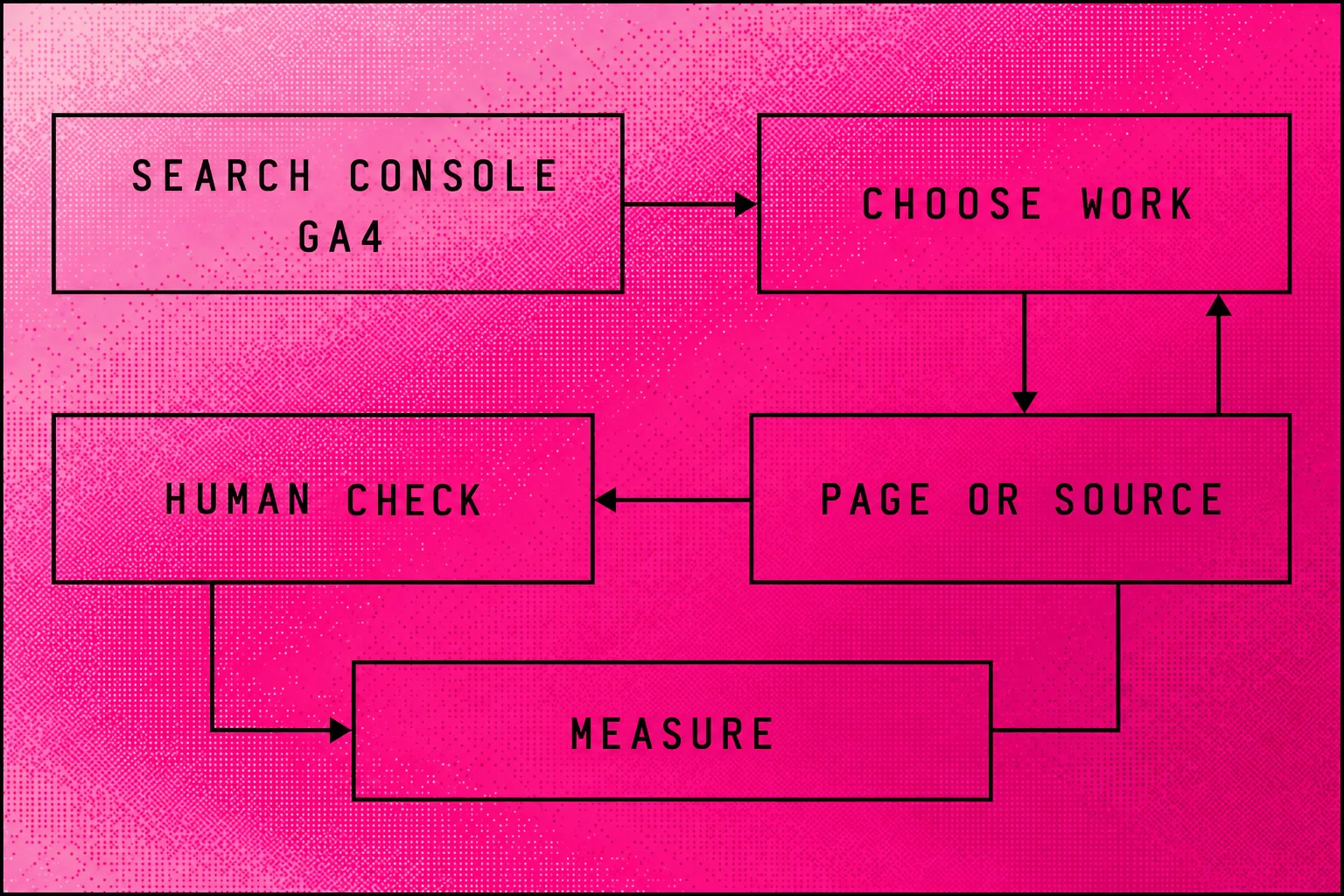
Searchmaxxed does agentic SEO: we build AI agents that connect to your whole Search Console and GA4. We use the Managed Search Loop to choose the next job, then build the page or external source it needs.
We use Search Console for search data and GA4 for visits and enquiries.
Each week, our agents read Google results and competitor sites. They also check what AI answers say about your business. We compare that evidence with your plan.
On your Agentic Website, we build pages and fix faults. We connect related pages with internal links. We add schema, structured data that matches the visible page.[8] You own the website and its GitHub repository. We run the website on Vercel.
Through the Off-Page Source Layer, we develop links, reviews, business records, press and mentions on other sites. A person approves every change before it goes live. The agents measure what happened, and we choose the next job.
Before Searchmaxxed, I built Radiant Roof Repairs from zero to more than $1 million a year in revenue. SEO was its only marketing channel. I did the pages, research, competitor checks and updates manually.
Choose the scope around the work:
- Local Search includes Google Business Profile management, reviews, local links, listing cleanup and local AI tracking.
- Growth System includes page releases, technical fixes, schema, internal links, source-layer basics and AI tracking.
- Agentic Search Engineering adds more page releases, continuous digital PR, qualified link campaigns and tracking across Google and AI answers.
- Custom & Enterprise can include several markets, dedicated engineering, custom reports and original research.
The AI SEO Audit identifies gaps and sets the plan. The Agentic Website Full Build creates the website. Agentic Migration keeps a design worth keeping and moves the site to an owned repository.
Our package inclusions explain the scope. Let's talk pricing.
Frequently asked questions
Are backlinks still relevant in 2026?
Is SEO still worth it in 2026?
Yes, I’d invest in SEO when people search for what you sell and you can build pages that answer them. Google says SEO fundamentals remain worthwhile for AI Overviews and AI Mode.[8] Check enquiries and sales when deciding whether the work pays back.
What are the top 5 SEO strategies?
Can you get backlinks for free?
Yes, you can pursue editorial links without paying for placements by publishing credible resources and promoting them to relevant people.[16] The work still requires effort. For a wider budget decision, compare the scope in the Australian SEO cost guide.
How do beginners get backlinks?
Start with one resource your business can explain from real knowledge, then share it with a relevant publisher. Original research and expert contributions can earn references.[16] I’d improve that resource before repeating outreach across more websites.
How many backlinks do I need?
Where can I get dofollow backlinks?
Do nofollow backlinks have any value?
Are guest posts bad for SEO?
Does an unlinked mention count as a backlink?
No. An unlinked mention names your business without linking to it.[11] Track mentions separately; they don't increase your backlink count.
Will backlinks get my website into ChatGPT answers?
Not by themselves. A backlink doesn't guarantee a ChatGPT citation, so check the actual answer and its linked sources. Google's eligibility rules cover AI Overviews and AI Mode, not ChatGPT.[17]
Can backlinks fix a page Google cannot index?
How does Searchmaxxed choose link-building work?
We compare Search Console and GA4 with competitor pages, search results and AI answers in the Managed Search Loop. We choose the next page or source action from that evidence. When comparing providers, ask each agency to explain its SEO scope and what it would change first.
- Google Search Central: SEO Starter Guide: PageRank
- StudioHawk UK: What Are Backlinks and Why Do They Matter? Quality
- Google Search Central: Spam policies: advertising and sponsorship
- Google Search Central: AI features: retrieval and eligibility
- HawkSEM: Backlinks: unlinked mentions
- Neil Patel: Backlink types: ordinary and nofollow HTML examples